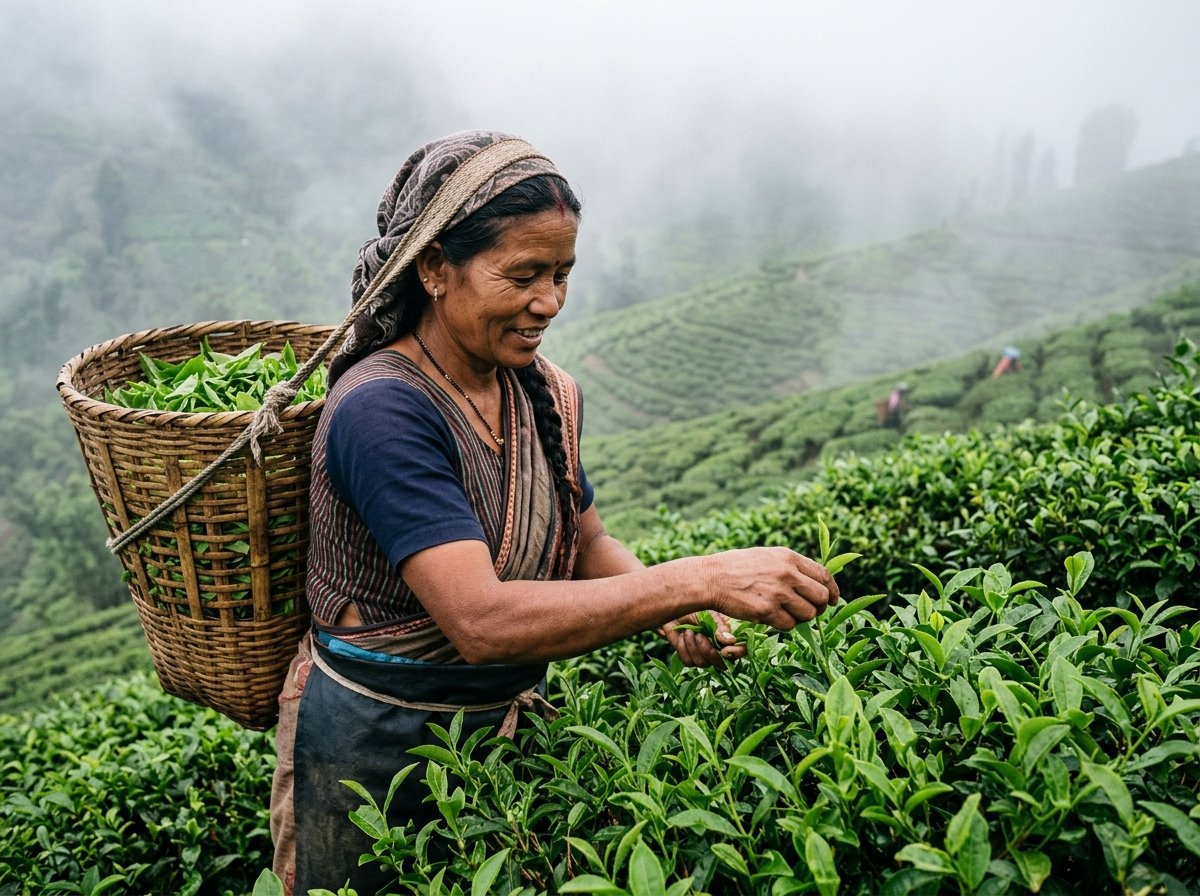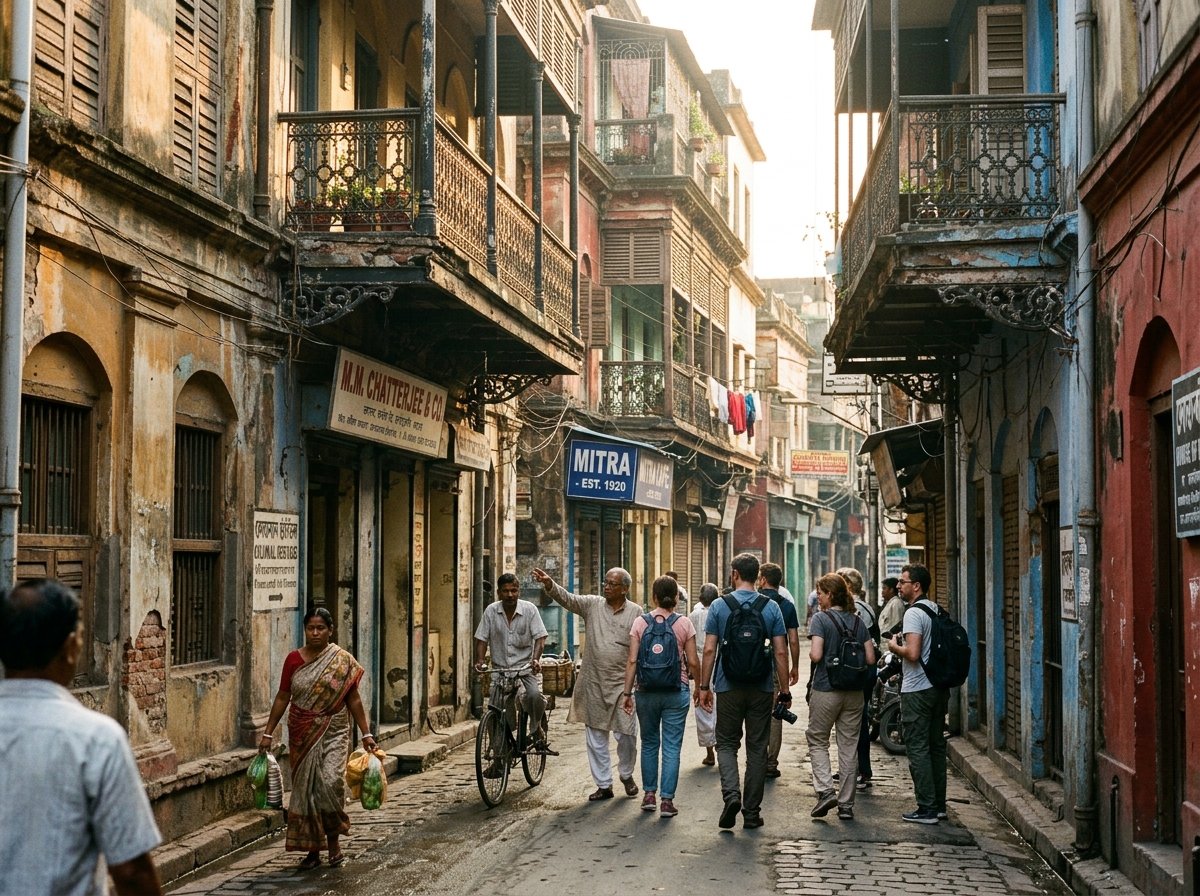
Darjeeling Imperial & Town Walk
Victorian sanatoriums, botanical sanctuaries, and Himalayan bazaar secrets
Duration
3.5 Hours
Group Size
Max 10 explorers
Language
English, Hindi & Nepali
Trail Pace
Moderate hill walk with gentle slopes
About this experience
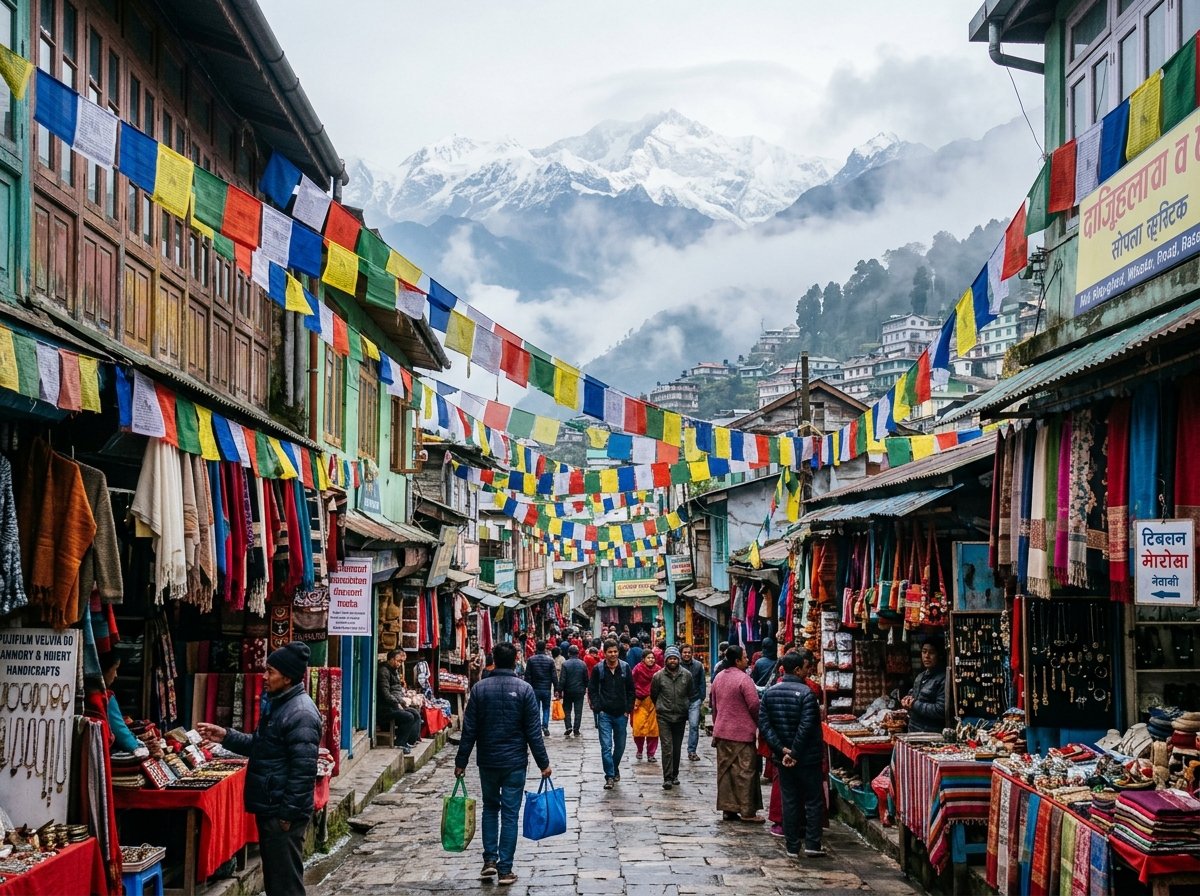
Perched atop a 7,000-foot ridge against the sheer snow wall of Kangchenjunga, Darjeeling evolved from a tiny Lepcha sanctuary into the summer capital of the British Raj and an epic center of Himalayan mountaineering.
Referencing the legendary Imperial trails of the Eastern Himalayas, this walk weaves through the mock-Tudor architecture of Observatory Hill, the sacred confluence of Mahakal Temple, historic planters clubs, old boarding schools, and the multi-ethnic bustling bazaars where Tibetan thangkas, Gorkha kukris, and fermented churpee cheese are traded.
Experience Highlights
Exploration of Observatory Hill and the shared Hindu-Buddhist Mahakal sanctuary.
Architectural walk past St. Andrew’s Church, Planters’ Club, and Raj-era villas.
A private peek into vintage colonial archives and mountaineering relics.
Tasting of authentic Darjeeling momos, homemade tingmo, and butter tea.
Deep dive into the ethnobotany of the Eastern Himalayas at Lloyd Botanical Garden.
The Trail Route & Itinerary
What's Included & What's Not
Included in your walk
- Led by a certified Himalayan cultural guide
- Heritage tea & baked delicacies tasting
- Observatory Hill and Botanical Garden entry tickets
- Archival illustrated map of Victorian Darjeeling
Not included
- Personal purchases at the Tibetan market
- Transport to Observatory Hill
Meet Your Storyteller Guide

Tenzing Norbu Lepcha
Himalayan Chronicler & Cultural Anthropologist
Tenzing is an indigenous Lepcha researcher whose family has documented the changing socio-political fabric and botanical ecology of Darjeeling for over 40 years.
Know Before You Go
Meeting Point
The Windamere Hotel Gate, Observatory Hill, Darjeeling
Ending Point
Lloyd Botanical Garden & Lower Bazaar, Darjeeling
Packing & Walking Advice:
- The tour involves moderate uphill and downhill stone-stepped walking.
- Dress in layers as mountain ridge temperatures fluctuate rapidly.
Frequently Asked Questions
Yes, our route follows the core historical research of the Imperial Darjeeling trail, covering Victorian sanitariums, botanical gardens, and multi-cultural mountain lore.
We meet outside the historic Windamere Hotel gate near Observatory Hill and conclude near the Lloyd Botanical Garden and Lower Chowk Bazaar.
The walk covers 3 kilometers along mostly paved paths and stone steps with regular rest pauses. It is suitable for anyone with average fitness accustomed to gentle hill walking.
Comfortable walking shoes with good traction and layered clothing (a windbreaker or fleece) are recommended, as weather can shift quickly on the ridge.
Discover More of Bengal
You Might Also Enjoy